
• Home
  • Meet the Artist
  • Abstract Paintings for Sale
    • Shop All Art
    • Museum Collections and Honors
  • Press & Articles
  • Contact
Original Abstract Paintings for Sale
  • AVAILABLE PAINTINGS
    • ABSTRACT SEASCAPES
    • waterfront abstract paintings
    • Up the Moon Series
    • Prints
  • PARALLELS SERIES
  • ABOUT GREGORY
  • MUSEUM COLLECTIONS
  • PRESS / ARTICLES
  • CONTACT
$0.00 0 Cart
Original Abstract Paintings for Sale
  • AVAILABLE PAINTINGS
    • ABSTRACT SEASCAPES
    • waterfront abstract paintings
    • Up the Moon Series
    • Prints
  • PARALLELS SERIES
  • ABOUT GREGORY
  • MUSEUM COLLECTIONS
  • PRESS / ARTICLES
  • CONTACT
$0.00 0 Cart

Selected Works

 Back to shop
  • All Products
  • waterfront abstract paintings
  • The Parallels Series: Available Original Paintings
  • ABSTRACT SEASCAPES
  • Greek Islands Period (1960–1980)
  • Abstract Art Prints-Up the Moon Series
  • Up the Moon Series
  • Abstract Florals
  • Abstract 3D Art
  • SOLD Paintings
Museum Collections and Honors
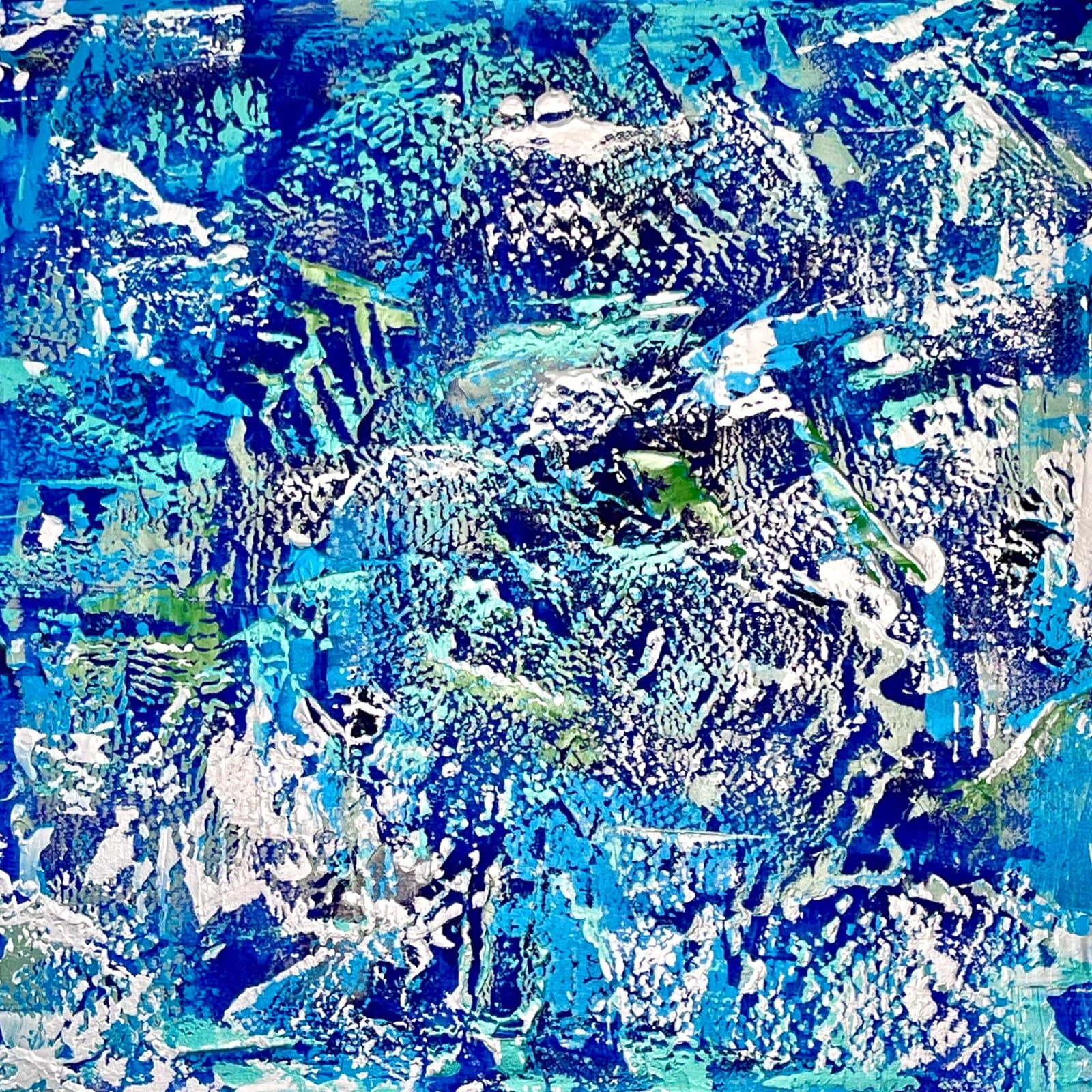
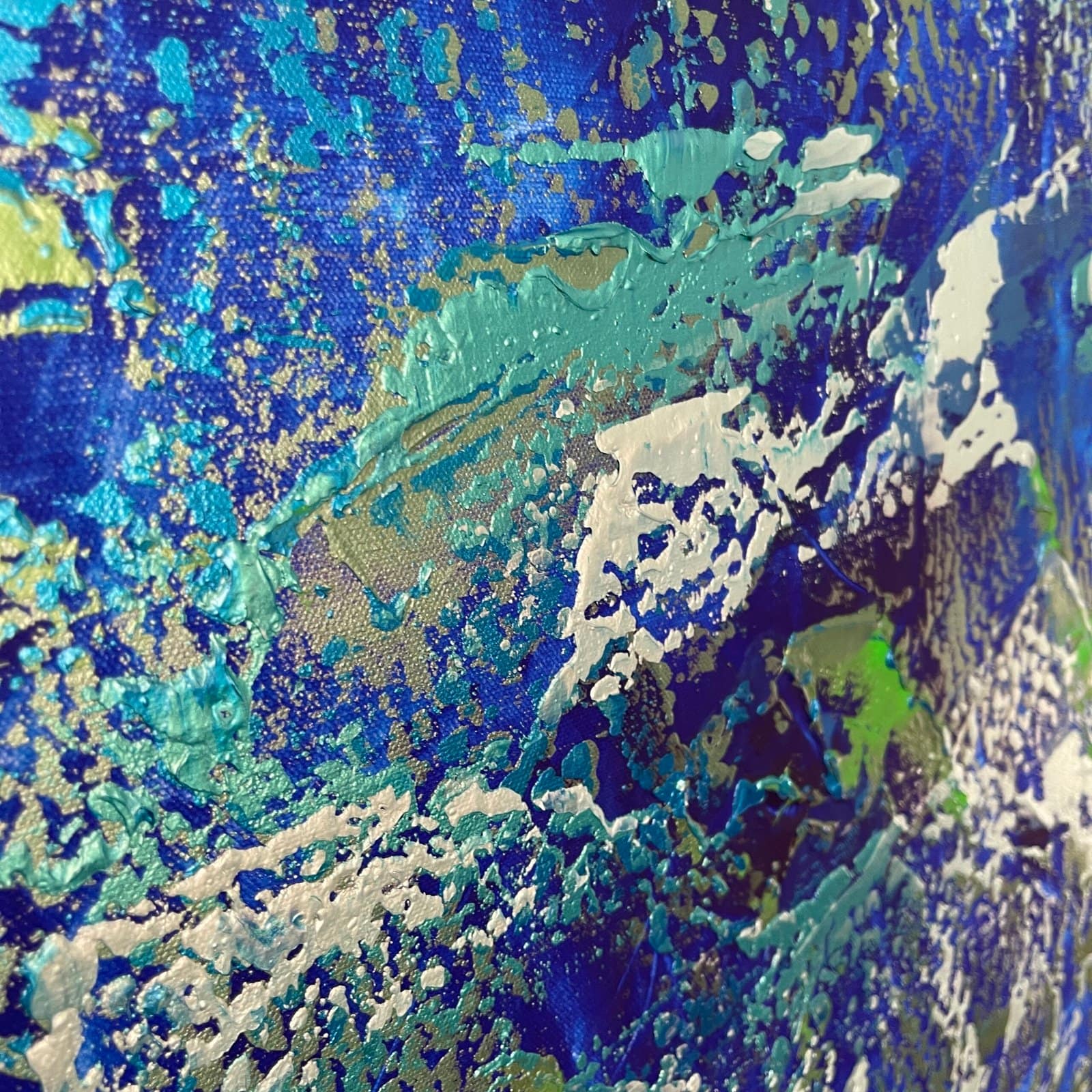
Abyss – Abstract Painting by Gregory Christeas
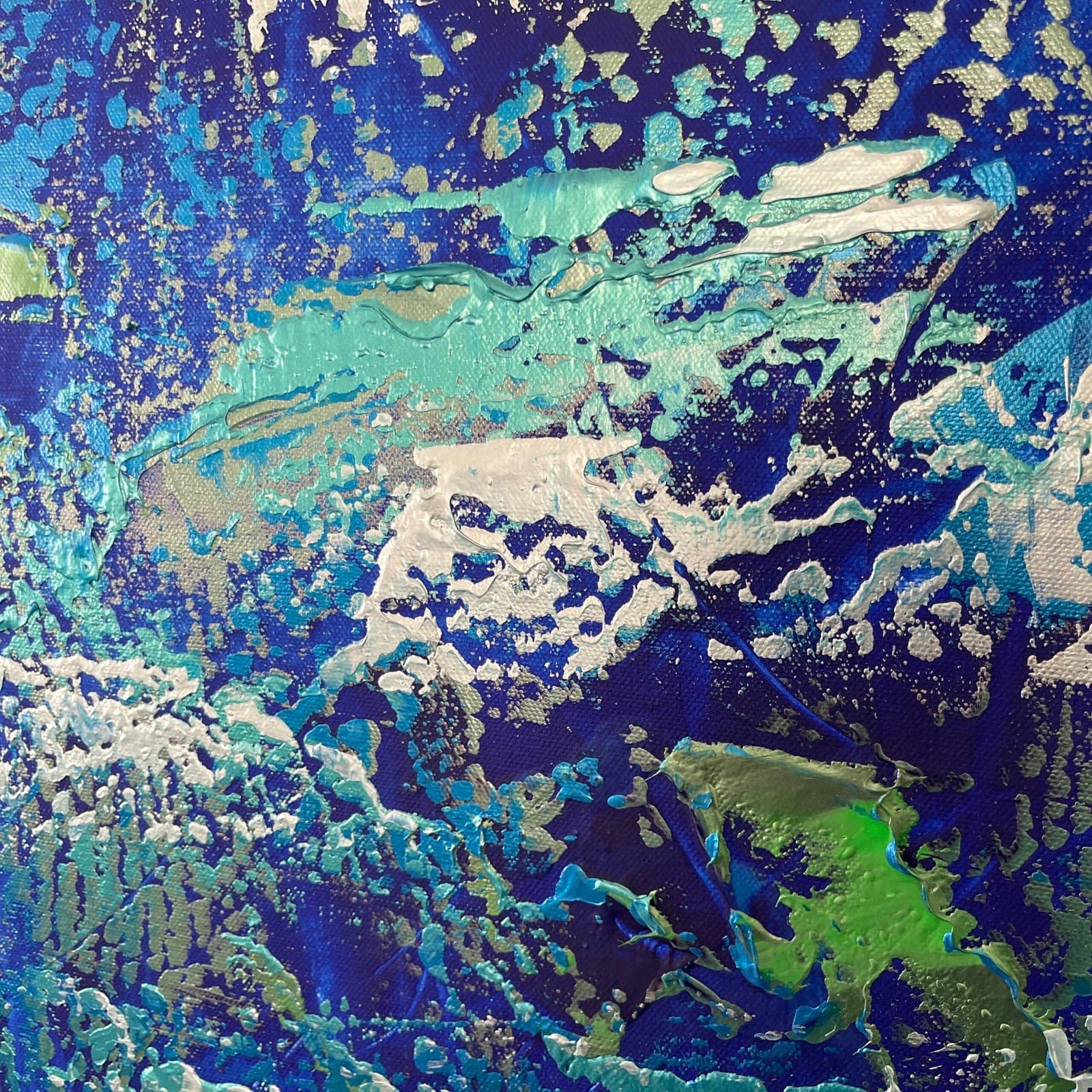
Abyss Original Abstract Painting - Image 3
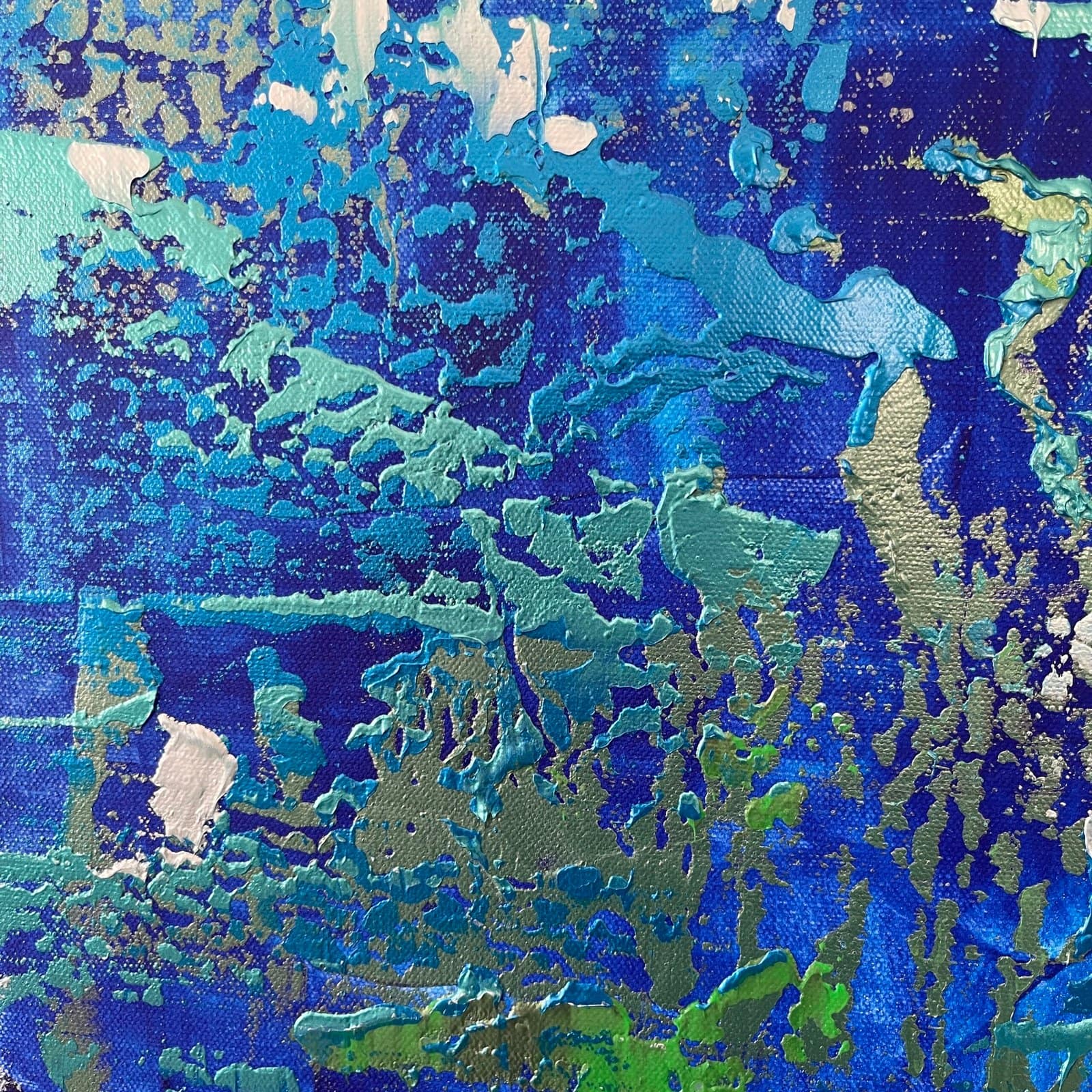
Abyss Original Abstract Painting - Image 4
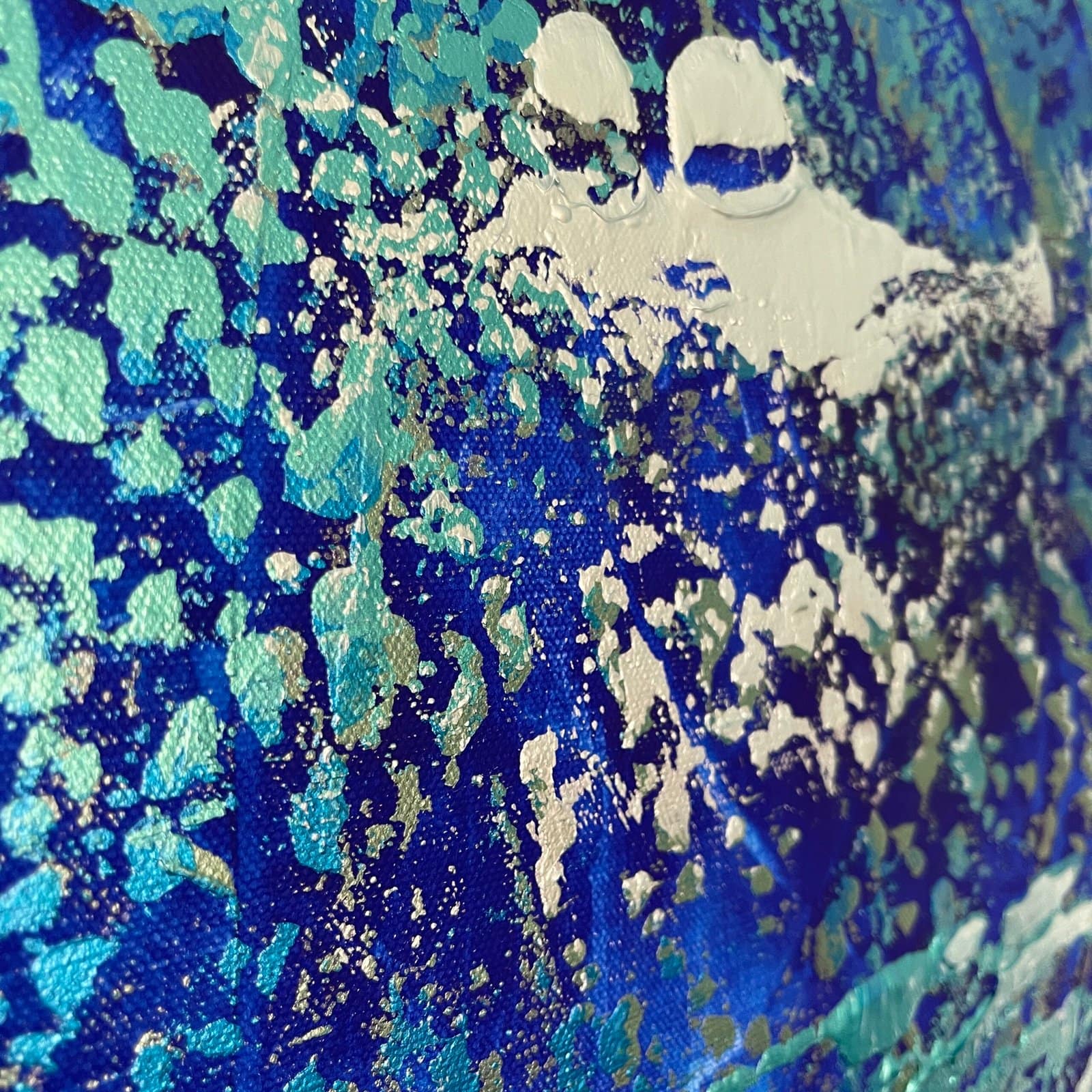
Abyss Original Abstract Painting - Image 5

Abyss Original Abstract Painting

Abyss is in the collection of Roman Cirnigliaro

  • 36x36x1.5-inch specialty acrylics on stretched canvas.
  • It is signed on the back.
  • It’s made with fluorescent and metallic acrylics, and its colors change throughout the day.
  • The balance of the painting is 360°, and you can hang it in any orientation.
Category: The Parallels Series: Available Original Paintings Tag: abstract paintings
  • Description

Description

Abyss is an original abstract painting exploring the depths of consciousness through layered blues, fractured turquoise, and luminous texture. A powerful work from the acclaimed Parallels Series.

Abyss Original Abstract Painting presents abstraction as a descent into inner space. Layers of deep blue and fractured turquoise form a shifting psychological terrain where memory, tension, and emotion accumulate and erode. The surface is constructed through pressure and release—built, broken, and rebuilt—mirroring the unstable architecture of thought itself. Luminous fragments emerge and recede, activated by changing light and prolonged attention.

Christeas does not depict the external world; he reveals the inner one. In Abyss, color becomes sensation and structure becomes feeling, drawing the viewer into a state where perception drifts, fractures, and quietly reorganizes.